
Are you planning to relocate, purchase a car from another state, or send a vehicle to a loved one across the country?
If so, open auto transport might be the most practical and budget-friendly solution for you.
It’s the most popular method for shipping vehicles across long distances in the U.S. — but if it’s your first time, it can feel confusing.
That’s why we’ve put together these 35 essential tips to help first-time car shippers feel confident and prepared.
Table of Contents
🚙 Understanding Open Auto Transport Basics
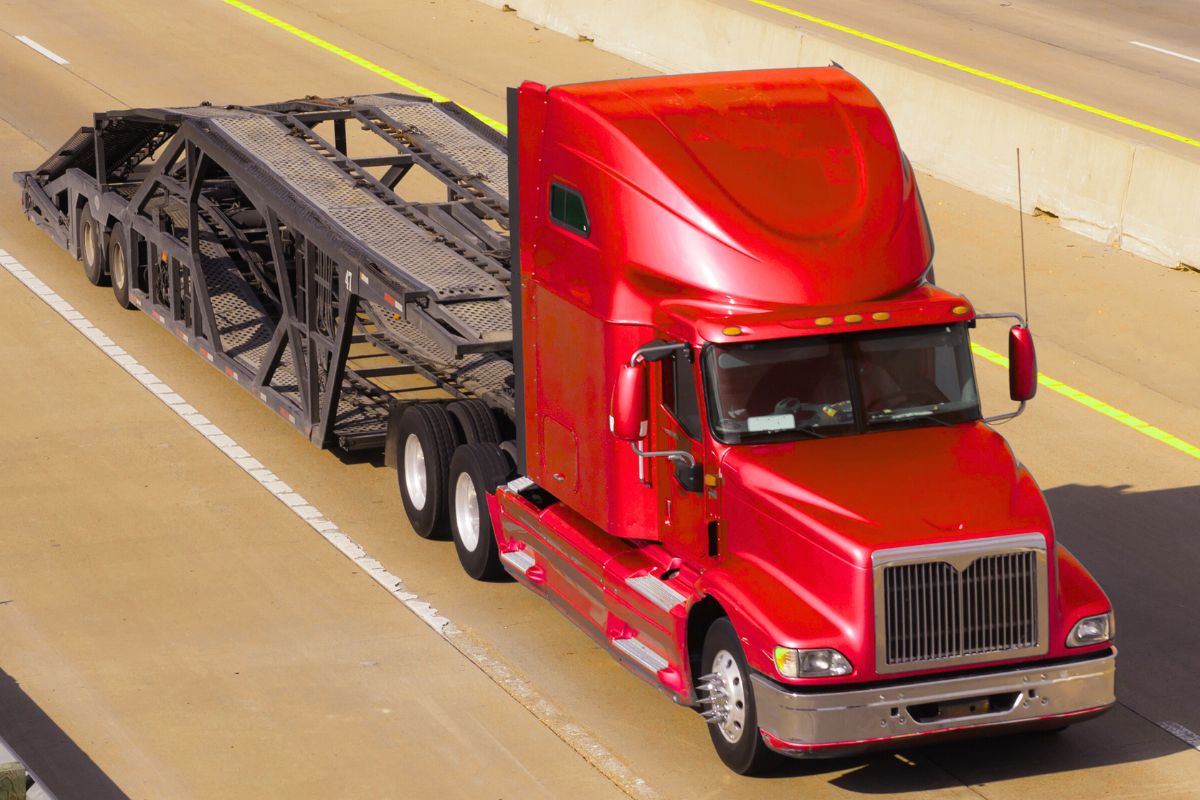
Open auto transport means your car is shipped on a two-level open trailer, the same kind commonly used to deliver cars to dealerships.
It’s safe, efficient, and affordable, making it ideal for everyday drivers.
Why Choose Open Auto Transport?
- Lower cost compared to enclosed auto transport
- More availability and faster scheduling
- Suitable for most standard vehicles
While open auto transport is ideal for most vehicles, you may also want to consider options like the Virginia Auto Train if you’re planning a longer trip and prefer a more efficient way to transport your vehicle.
Note: If you’re transporting a luxury, classic, or exotic car, you may want to consider enclosed auto transport instead.
🧭 Before Booking Your Vehicle Shipment
Proper planning is key when it comes to open auto transport. Before you hand over your keys, take time to ensure you’re working with a trusted company that meets your expectations and protects your vehicle throughout the journey.
1. Research Reputable Auto Transport Companies
Start by checking whether the company is registered with the Federal Motor Carrier Safety Administration (FMCSA) — this ensures they are legally authorized to operate.
Then, dive into customer reviews on sites like BBB, Google, and Trustpilot. Be wary of companies with vague pricing structures or overly generic responses to concerns.
A transparent company will be clear about their process, timelines, and policies.
Pro tip: Avoid companies that only communicate via email or don’t list a valid DOT number.
2. Request Multiple Quotes
Don’t settle for the first offer you get. Use car shipping marketplaces and comparison tools to gather at least 3–5 quotes from verified companies.
This gives you a baseline understanding of what’s fair for your route and vehicle type.
Look for quotes that clearly include:
- Pickup and delivery windows
- Type of transport (open or enclosed)
- Any potential surcharges
- Insurance coverage
3. Avoid Ultra-Cheap Offers
If a price seems too good to be true, it probably is. Unusually low quotes often come with trade-offs:
- Hidden fees added later
- Delayed pickup or delivery
- Brokers who can’t find a carrier at the promised rate
- Risk of dealing with uninsured or unlicensed operators
Paying a little more upfront can mean better service, reliability, and peace of mind.
4. Know the Average Open Car Shipping Cost
To set expectations, understand typical price ranges. Open car shipping generally costs between:
| Distance | Estimated Cost |
|---|---|
| 0–500 miles | \$500–\$700 |
| 500–1,000 miles | \$700–\$900 |
| 1,000–1,500 miles | \$900–\$1,100 |
| 1,500+ miles | \$1,100–\$1,300 |
These rates vary depending on season, fuel prices, type of vehicle, and route popularity.
5. Verify Insurance Coverage
Always ask the company for a Certificate of Insurance and confirm:
- Liability limits
- Cargo coverage
- What’s covered during loading and unloading
- Whether your personal auto policy covers shipping damage
If the carrier’s coverage isn’t comprehensive enough, consider purchasing supplemental insurance.
🔧 Preparing Your Vehicle for Open Transport
Taking time to properly prepare your car before shipping can help prevent delays, reduce risks, and ensure a smooth experience with your open auto transport provider.
These simple steps will protect both your vehicle and your peace of mind.
6. Wash the Exterior
Give your vehicle a thorough wash — even if it’s going to be exposed to the elements during transport. A clean surface allows for a clear inspection of existing damage such as:
- Scratches
- Paint chips
- Dents
You’ll want all marks to be visible during the carrier’s pre-shipment condition report.
7. Take High-Quality Photos of the Car
Use your smartphone or camera to take detailed, high-resolution photos of:
- All four sides
- Close-ups of existing damage
- Wheels and roof
- Windshield and mirrors
Time-stamp the images and store them safely. These photos serve as evidence in case you need to file a damage claim after delivery.
8. Remove All Personal Belongings
Most open car carriers prohibit shipping vehicles loaded with personal items. This is due to:
- Weight limitations
- Theft risk (cars are exposed)
- Insurance policies that exclude non-vehicle contents
Prohibited items may lead to your vehicle being rejected for pickup.
9. Check Tire Pressure, Battery, and Fluid Leaks
Ensure your car is in operable condition, unless you’ve booked non-running vehicle transport. Key things to check:
- Tire pressure — prevents tire damage during loading/unloading
- Battery charge — required for starting the engine
- No visible leaks — oil, coolant, or brake fluid leaks can be dangerous
If there are any mechanical issues, notify the transport company in advance.
10. Disable Alarm Systems
An active alarm during transport can cause delays and frustration for the driver. Be sure to:
- Turn off factory alarms
- Remove aftermarket alarm remotes from the car
- Provide instructions if it must remain active
11. Leave Only ¼ Tank of Gas
Your car only needs enough fuel to be moved on and off the trailer — around ¼ tank is ideal. A lower fuel level reduces:
- Overall vehicle weight
- Risk of leaks or spills
Overweight vehicles can cause compliance issues for the carrier.
📞 Working with Your Car Shipping Carrier
Once you’ve chosen a reputable open auto transport provider and prepped your vehicle, the next step is coordinating logistics and maintaining communication throughout the process.
Here’s how to build a smooth working relationship with your car shipping carrier.
12. Ask If Door-to-Door Delivery Is Available
Door-to-door service is the most convenient option — your car is picked up and delivered as close as possible to the addresses you specify. However, this may not always be feasible due to:
- Narrow streets
- Low-hanging trees or wires
- Gated communities
If door access is restricted, you may need to meet the driver at a nearby open area or consider terminal-to-terminal shipping, which is often cheaper but less convenient.
13. Provide Accurate Pickup and Drop-Off Information
Share all necessary details about the pickup and delivery locations, including:
- Apartment or suite numbers
- Access limitations (e.g., restricted hours, construction zones)
- Preferred nearby landmarks or open spaces
The more accurate your information, the fewer delays or reroutes your carrier will face.
14. Choose Flexible Pickup Windows
Remember, auto transport operates on estimated pickup and delivery windows, not fixed times. Factors such as:
- Traffic congestion
- Weather disruptions
- Multi-stop scheduling
…can all impact timing.
A 2–3 day window is standard. Being flexible helps ensure a smoother experience and increases your chances of faster assignment to a carrier.
15. Stay in Touch During Transport
Reputable car shipping companies will provide:
- Tracking numbers
- Driver contact info
- Customer service hotlines
Use these tools to get regular updates and plan for arrival. Some companies even offer real-time GPS tracking via an app or web portal.
16. Understand the Bill of Lading (BOL)
The Bill of Lading (BOL) is more than just paperwork — it serves as:
- A transportation contract
- A condition report of your vehicle at pickup and delivery
Make sure to:
- Carefully inspect your car with the driver at both pickup and drop-off
- Note any damage, no matter how minor
- Take pictures if discrepancies arise
Do not sign the BOL unless you’re satisfied with the condition report.
📦 During Pickup Day
Pickup day marks the official start of your open auto transport journey. Being well-prepared and attentive during this stage can help prevent disputes, delays, and misunderstandings.
Here’s how to make sure everything starts off right.
17. Be On Time and Present
Whether you’re shipping from your home or meeting the carrier at a nearby lot, make sure:
- You’re available during the entire pickup window
- You have your ID and relevant documents ready
- You’re present to review and sign the Bill of Lading (BOL)
If you can’t be there, assign a trusted representative with written permission.
18. Don’t Rush the Carrier
Car carriers are responsible for loading multiple vehicles safely and securely onto the trailer. This process involves:
- Precision driving
- Securing the vehicle with straps or chains
- Double-checking clearance and balance
Rushing the process increases the risk of damage. Allow the driver the time they need to do the job correctly.
19. Confirm Any Pre-Existing Damage
Use the photos you took during vehicle prep to:
- Compare with the carrier’s inspection
- Ensure all visible dents, scratches, or blemishes are accurately recorded on the BOL
- Speak up if something is missed or misidentified
This documentation will be critical if a damage claim is needed later.
20. Ask the Driver Any Questions Before They Leave
Before the truck pulls away, confirm the following details:
- Estimated delivery timeframe
- Driver’s direct contact number (or dispatcher contact)
- What to do if you’re unavailable for delivery
- Procedure if delays or damages occur
Some companies provide real-time tracking, while others rely on scheduled updates — either way, make sure you’re clear on what to expect.
📍 Delivery Day Essentials
The final step in your open auto transport journey is just as important as the first. On delivery day, you’ll confirm that your vehicle arrived safely and in the same condition it left.
Take your time, stay observant, and follow these steps to wrap things up properly.
21. Inspect the Car in Daylight
Pick a well-lit location, preferably outdoors, to examine your vehicle thoroughly. Focus on:
- Bumpers and lower panels
- Doors, hood, and roof
- Wheels and mirrors
Natural light reveals imperfections better than artificial lighting, so daytime inspections are ideal.
22. Compare With Your Original Photos
Pull up the time-stamped images you took before pickup. Match each angle to verify:
- No new scratches, dents, or paint chips
- Windshield and windows are intact
- Tires and lights are in the same condition
This visual reference is your strongest defense if something looks off.
23. Don’t Sign the Final BOL Until You’re Satisfied
The final Bill of Lading (BOL) confirms that your vehicle was delivered in acceptable condition. Before signing:
- Note any new damage clearly on the BOL
- Ask the driver to initial or acknowledge the issues
- Take new photos of the damage
Once you sign without documenting damage, your ability to file a claim may be limited.
24. Contact the Company Immediately if There’s a Problem
If you find damage or other issues:
- Notify the carrier or broker right away
- File a formal damage claim within the company’s specified timeframe
- Provide photos, the signed BOL, and any other documentation
Prompt action increases your chances of a smooth resolution.
25. Consider Tipping the Driver
While not mandatory, tipping is a nice gesture if the driver:
- Communicated well
- Handled your car with care
- Delivered on time, despite challenges
Typical tip range:
💵 \$20–\$50 — more for long-distance routes or outstanding service.
🧠 Expert-Level Tips for First-Time Users
If you’re new to open auto transport, a few professional-level insights can make the difference between a bumpy ride and a smooth, cost-effective experience.
These advanced tips will help you navigate the logistics like a seasoned pro.
26. Avoid Booking During Peak Seasons (Summer/Snowbird Months)
The busiest times for car shipping are:
- May to August (summer relocations)
- December to January (snowbird migrations between the north and south)
During these windows:
- Prices can spike 20–30%
- Carrier availability may be limited
- Delays are more common
If possible, plan your shipment in shoulder seasons like early spring or fall for better pricing and flexibility.
27. Use a Transport Calculator to Estimate Cost
Many auto transport websites offer instant shipping calculators that factor in:
- Distance
- Vehicle size and weight
- Route popularity
- Time of year
This tool helps set realistic expectations and allows you to budget accordingly.
28. Confirm Whether the Carrier or a Broker Is Handling Your Transport
Understanding who you’re dealing with matters:
- A carrier owns the truck and handles the shipment directly.
- A broker acts as a middleman, finding available carriers on your behalf.
| Role | Pros | Cons |
|---|---|---|
| Carrier | Direct contact, fewer surprises | Limited availability/routes |
| Broker | More options, faster matching | Less control over carrier quality |
Ask for the carrier’s MC number before booking to verify legitimacy.
29. Ask About Multi-Car Discounts
If you’re shipping:
- Two family vehicles
- A fleet of company cars
- A vehicle alongside a friend’s or relative’s
…ask the provider about multi-vehicle rates. Many companies offer discounts for:
- Shared pickups/drop-offs
- Back-to-back bookings
- Family or fleet deals
Bundling cars on the same route can save you hundreds of dollars.
30. Don’t Stress Over Dust or Dirt on Arrival
Your car will be traveling hundreds or thousands of miles in open air, often behind other vehicles. It’s perfectly normal for it to arrive:
- Dusty
- Rain-spotted
- With road grime
This is not considered damage, and it’s easily fixed with a quick wash.
Pro tip: Schedule a detailing appointment the day after delivery for a spotless finish.
📈 Smart Shipping Add-ons and Considerations
To make the most of your open auto transport experience, consider a few strategic add-ons and essential precautions.
These final tips can help you avoid unexpected issues and improve peace of mind throughout the shipping process.
31. Inquire About GPS Tracking Services
Many modern carriers offer GPS-enabled tracking so you can monitor your car’s location in real time. This is especially helpful for:
- Cross-country moves
- Classic or high-value vehicles
- Customers with tight delivery windows
Even if GPS isn’t available, ask for regular updates via text or email.
32. Consider Weather Conditions
Open carriers expose your car to the elements. If your route includes:
- Snow-prone regions
- Heavy rain areas
- Dusty or gravel roads
…your vehicle may arrive dirty or with minor cosmetic wear.
In these cases, consider enclosed auto transport for added protection — especially for luxury or vintage cars.
33. Make Sure the Vehicle Is Street-Legal
If your car:
- Doesn’t start
- Has flat tires
- Lacks plates or registration
…it may be considered non-operable, and special handling may be required.
Carriers need advance notice to bring:
- Winches
- Liftgates
- Extra personnel
Failure to disclose this can result in missed pickups or added fees.
34. Get a Written Contract, Not Just a Verbal Agreement
Always request a written service agreement that includes:
- Pickup and delivery windows
- Total cost (with breakdown)
- Insurance details
- Policies on delays and damages
Avoid companies that rely solely on phone or email confirmations.
35. Read the Fine Print for Cancellation Policies
Plans change — make sure you understand:
- Cutoff times for free cancellation
- Refund eligibility
- Rescheduling options
Some companies charge non-refundable deposits, while others allow free cancellation up to 48 hours before pickup.
Quick Comparison: Open vs. Enclosed Auto Transport
| Feature | Open Auto Transport | Enclosed Car Transport |
|---|---|---|
| Cost | More affordable | 30–60% more expensive |
| Protection from Weather | Exposed | Fully protected |
| Best For | Standard vehicles | Classic/luxury/exotic |
| Availability | High | Limited |
| Delivery Time | Faster (more carriers) | Slower (fewer carriers) |
Open Auto Transport – FAQ
1. What is open car transport and how does it work?
Open car transport is a popular method of shipping vehicles using an open trailer that can carry multiple cars at once. It’s a cost-effective solution commonly used by dealerships, rental companies, and individuals relocating long distances. The vehicle is exposed to the elements but safely secured throughout the journey.
2. Is open vehicle transport safe for my car?
Yes, open vehicle transport is generally very safe. While your car will be exposed to weather and road debris, it is securely strapped and handled by professional drivers. For most standard cars, this method offers a great balance between safety and affordability.
3. What’s the difference between open car carrier transport and enclosed shipping?
Open car carrier transport involves shipping your vehicle on a two-level open trailer, while enclosed shipping uses a covered trailer that offers full protection from weather and debris. Open carriers are more affordable and ideal for everyday vehicles, while enclosed options are preferred for luxury, exotic, or classic cars.
4. How long does open carrier shipping usually take?
Open carrier shipping times depend on distance, route, and season. On average, cross-country shipments take 7–10 days, while regional deliveries may take 2–5 days. Factors like weather, traffic, and multiple vehicle pickups can impact the timeline slightly.
5. Can I use open car services for non-operational vehicles?
Yes, some open car services and open carrier auto transport providers can handle non-operational vehicles, but it’s essential to inform them in advance. Special equipment like winches may be needed, and additional fees may apply. Always clarify your vehicle’s condition when booking open transport car shipping or open carrier car shipping.
Ready to Ship Your Car with Confidence?
Get a free, no-obligation quote from trusted open auto transport professionals. Whether you’re moving across the state or across the country, we make car shipping simple, fast, and affordable.
👉 Click here to request your instant quote now — it only takes 2 minutes!